DOH & HPD Lead Violation Removal NYC-- Expert Solutions for Compliance
Comprehensive Guide on Effective Lead Offense Removal Techniques
In the world of environmental safety, addressing lead offenses requires a thorough and structured approach. This detailed overview begins by highlighting the essential first steps of identifying lead threats with advanced analysis and testing methods. Methods such as XRF evaluation and dust wipe tasting are indispensable in determining contamination sources. Moreover, the overview specifies on the relevance of sticking to strict safety protocols during the elimination process, consisting of using proper PPE and isolating impacted areas (Lead Paint Removal Company). The subsequent areas assure to talk about post-removal verification and preventative methods, ensuring lasting safety and security and conformity. Discover the detailed details that make these techniques not simply efficient but necessary.
Identifying Lead Threats
Determining lead risks is a critical first action in mitigating the dangers associated with lead direct exposure. Lead, a harmful metal, can be present in different environmental tools, consisting of paint, soil, water, and dust.
The preliminary phase in determining lead hazards involves comprehending typical lead resources within the constructed atmosphere. Structures built before 1978 are specifically prone because of the prevalent use lead-based paint during that duration. Furthermore, dirt contamination can happen from deteriorating exterior paint, commercial emissions, or historic usage of leaded gasoline.
Another considerable source is lead piping and pipes fixtures, which can seep lead right into alcohol consumption water. Consumer products such as playthings, porcelains, and imported products might additionally have hazardous lead levels. Especially, job-related atmospheres and hobbies involving lead can track pollutants right into homes.
Evaluation and Testing
When resolving lead hazards, effective assessment and testing are extremely important. This important action makes certain the recognition and metrology of lead visibility, therefore guiding succeeding remediation initiatives. Initial analysis commonly involves an aesthetic inspection to identify prospective lead sources, such as weakening paint or polluted dust. This is matched by even more extensive testing approaches to establish the extent of contamination.
Dirt wipe tasting is one more important method, specifically in property setups. By collecting examples from floorings, windowsills, and various other surfaces, this approach offers understandings into possible direct exposure threats. Moreover, dirt screening around building borders is necessary to find lead contamination that could present threats, particularly to children.
Safe Removal Treatments
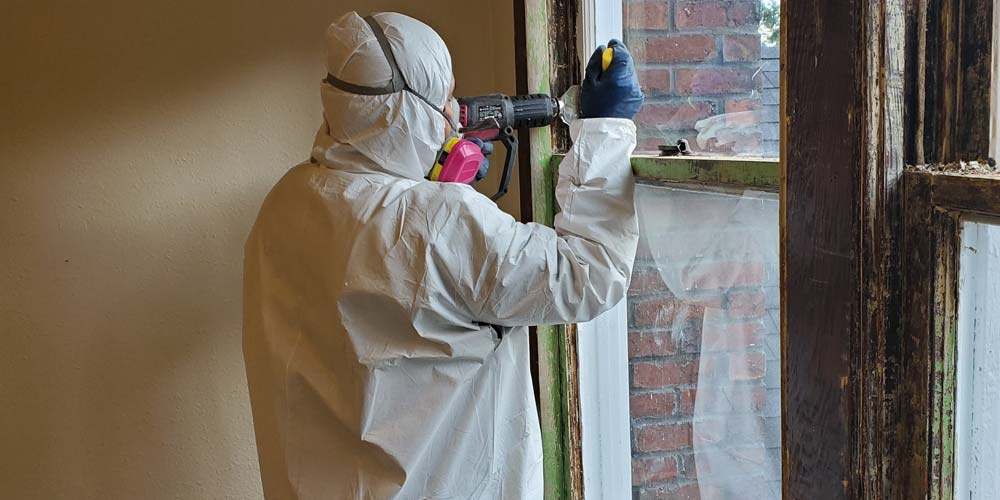
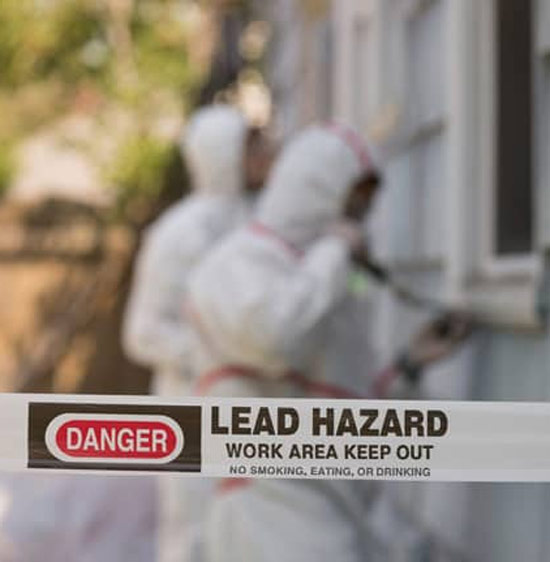
Upon completing thorough evaluation and testing, applying safe elimination procedures is the following vital phase in dealing with lead risks. This process makes sure that lead-contaminated materials are effectively and securely eliminated, reducing risk to both employees and locals. The initial step entails isolating the afflicted location utilizing plastic sheet and appropriate sealing techniques to avoid the spread of lead dust.
Employees need to don appropriate personal protective devices (PPE), including respirators, gloves, and disposable coveralls, to mitigate exposure. Utilizing specialized tools and wet techniques, such as damp fining sand or using HEPA-filtered vacuum cleaners, reduces the diffusion of lead fragments. It is vital to prevent completely dry fining sand or find out here now rough blowing up, as these techniques can create dangerous lead dirt.
Garbage disposal is another important component; all infected materials must be securely bagged and identified according to EPA and neighborhood guidelines. Additionally, extensive cleansing of the workspace with HEPA vacuum cleaners and wet wiping guarantees the elimination of residual lead particles.
Post-Removal Verification
Confirmation of successful Source lead elimination, recognized as post-removal verification, is imperative to make sure the security and habitability of the remediated location. This procedure involves a collection of meticulous assessments and examinations made to spot any kind of residual lead fragments that might position health risks. The initial step typically includes a visual evaluation to assess the conclusion and high quality of the removal work. This examination guarantees that all recognized sources of lead have been dealt with and that no visible indications of contamination stay.
Following the aesthetic examination, environmental tasting is performed. This entails collecting dirt, dirt, and in some cases water samples from the remediated area. Recognized laboratories examine these examples to measure lead levels, guaranteeing they drop listed below the safety and security limits established by governing bodies such as the Epa (EPA)
On top of that, air top quality testing might be performed to find air-borne lead fragments, particularly in instances where extensive lead-based paint elimination or renovation has actually occurred. The results of these examinations supply quantitative information confirming that the lead degrees are within allowable limits.
Eventually, post-removal confirmation functions as an important checkpoint, verifying the effectiveness of the lead reduction efforts and securing the health and wellness of owners and site visitors.
Safety Nets and Maintenance

A key safety net consists of using lead-safe accredited service providers for any kind of improvement, fixing, or paint tasks. These professionals are educated in practices that decrease lead dirt and particles. Additionally, preserving painted surfaces to avoid damaging or peeling is vital, as deteriorating paint can launch lead particles into the setting.
Educational initiatives targeting homeowner and lessees regarding the dangers of lead and the value of reporting any type of potential risks can additionally boost preventive initiatives. Regular cleaning using HEPA vacuums and wet mopping methods can significantly decrease lead dirt accumulation.
Final Thought
In recap, efficient lead offense elimination necessitates a meticulous method including thorough analysis, accurate screening, and rigid removal treatments. Continuous examinations and maintenance are crucial to reduce future lead threats, consequently securing public wellness and ensuring continual conformity with governing demands.